Login
Your link will open in a new tab
If this has not happened, please click here
As HR and Health & Safety professionals, we noticed a significant gap in the market, and more importantly employer’s knowledge of effective business administration and regulations, plus the need for businesses to digitalise the HR and Health & Safety management process.
 oneHR
oneHRRemove the HR management headache
oneSAFEMake Health & Safety compliance seamless
oneHR oneSAFE oneHR Back oneSAFE Back test BackIf this has not happened, please click here
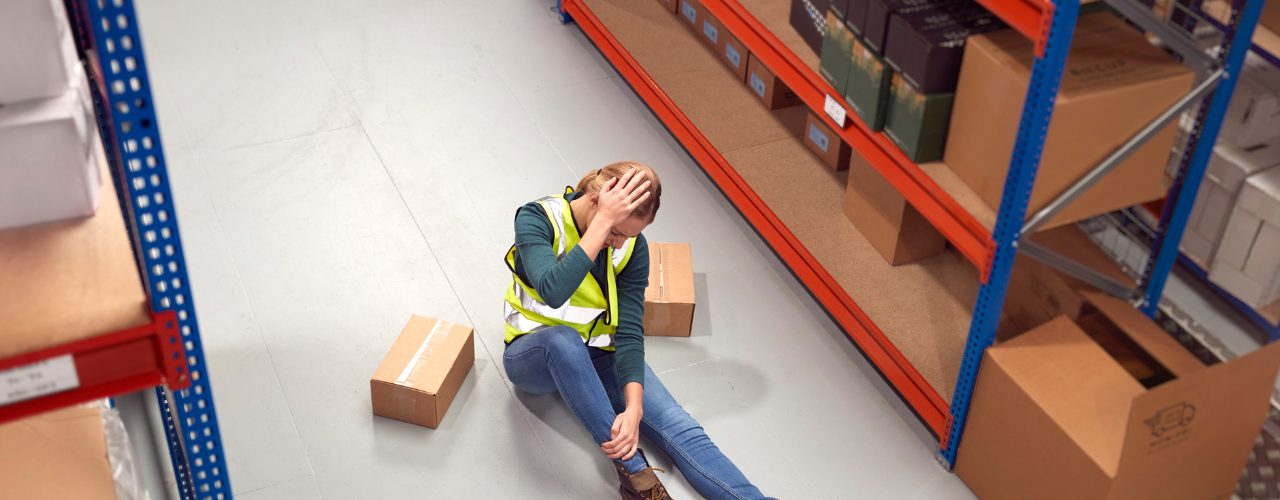
Health and Safety expert, Adam Williams discusses the differences between accidents, incidents and near misses, and what procedures employers can put in place to minimise the risks of them occurring in the workplace.
Every year people are killed or injured at work. Over 40 million working days are lost annually through work-related accidents and illnesses.
A workplace accident is an incident, meaning an unexpected workplace event that resulted in injury or even fatality. Many injuries are non-critical, but many are.
Critical injuries include loss of consciousness, bone fracture, amputation of any kind, loss of sight in at least one eye, severe burns, and substantial loss of blood.
The first rule of thumb is to remember that all unexpected workplace events are incidents. However, not all incidents are accidents or near-misses.
The broad definition of an incident describes it as an event that disrupts regular work activity and operations and potentially causes significant risk for everyone involved.
You must report and follow up on all workplace incidents, no matter how big or small their consequences are.
Near misses are a subset of incidents where no one got hurt, but only by a pure stroke of luck. In a near-miss, someone was a hair’s breadth away from injury. If you’re having trouble determining whether an event was an incident or a near-miss, all you need to do is consider the following:
oneSafe’s logging functionality allows you to record any accidents or near misses in your workplace.
To find out more information or if you require any Health and Safety advice, get in contact with our team of experts.
T: 0330 107 1037
E: contact@onehrsoftware.com
May 10, 2023
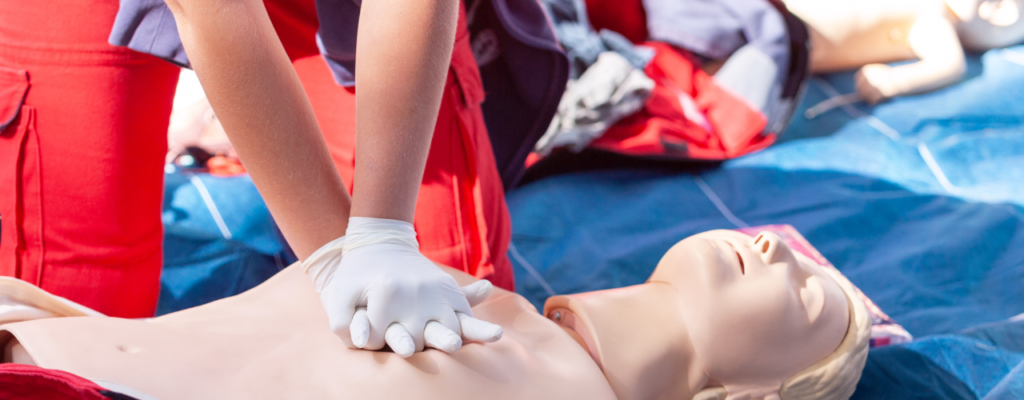
In this article, our expert H&S consultant, Adam Williams, looks to discuss First Aid in the workplace and offer advice...
Read more about First Aid In the Workplace
December 10, 2024
As the new year approaches, it’s the perfect time to take stock of your office’s health and safety practices. Creating...
Read more about Start the New Year Right: Health and Safety Essentials for Your Office
June 21, 2024
Health and Safety plays a large part in creating a productive and positive environment. Among the various factors that can...
Read more about oneSAFE – Drug and Alcohol use in the workplace.
May 10, 2024
In many workplaces, employees will spend long hours seated at desks or engaged in repetitive tasks. However, what we might...
Read more about Ergonomics: Enhancing comfort and preventing workplace injuries